
Every strand of your hair is alive and active—it follows a biological rhythm called the hair growth cycle. Knowing how this cycle works can help you understand why hair grows, sheds, or sometimes struggles to come back.
The hair growth cycle has three main stages—Anagen, Catagen, and Telogen—with an additional stage called Exogen that explains active shedding.
Let’s explore and understand each in detail.
Why Understanding the Hair Growth Cycle Matters?
Most people worry when they see hair in the shower drain or brush. Most of us start to worry that they will go completely bald (which may be true but not always).
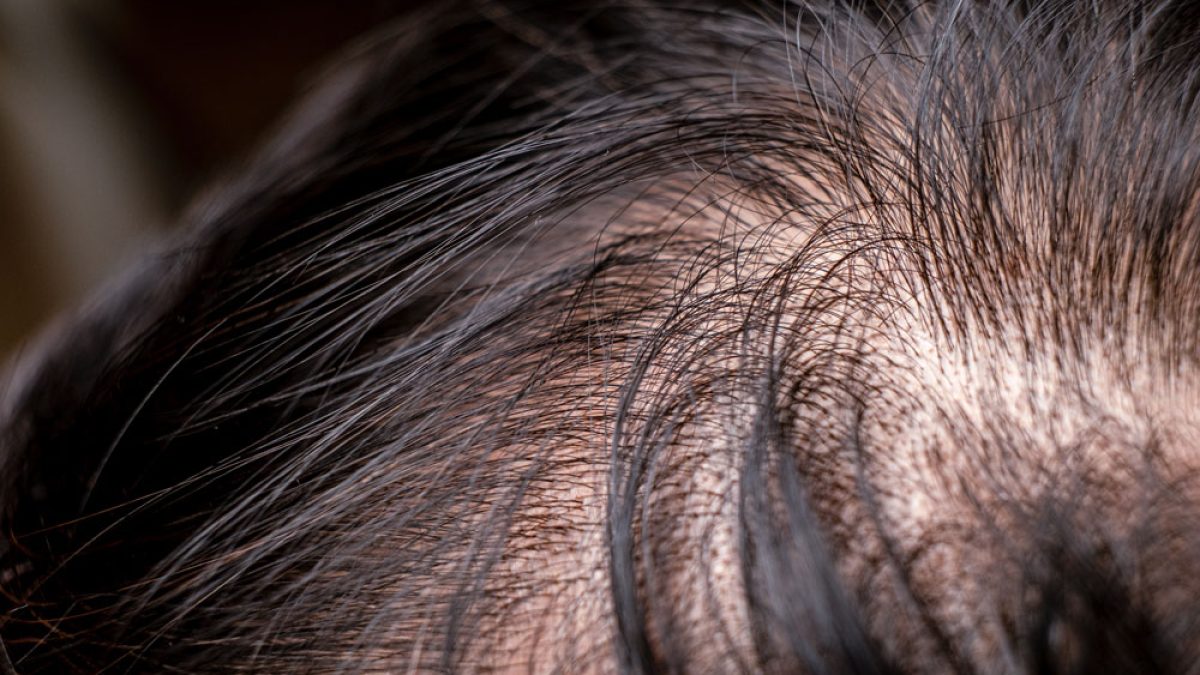
But not all hair fall means permanent loss (there are multiple odd-even reasons).
In fact, shedding is just a part of the natural hair growth cycle.
- 50–100 hairs/day shedding is normal.
- Each follicle works independently—so while some hairs grow, others rest or shed. This is the balance maintained by our body.
- Problems like telogen effluvium (stress-related shedding) or androgenetic alopecia (pattern thinning) happen when this balance is disrupted.
The 4 Stages of the Hair Growth Cycle.
1. Anagen Phase (Growth Phase):
- Duration: 2–7 years (sometimes longer, depending on genetics).
- Percentage of hair in this phase: ~85–90%.
- What happens:
- Cells in the root (dermal papilla) divide rapidly.
- Hair grows about 1 cm per month.
- Longer anagen = longer hair potential.
Key Insight: People with very long hair usually have longer anagen phases. Conditions like chemotherapy shorten this phase, causing abrupt hair loss.
2. Catagen Phase (Transition Phase):
- Duration: ~2–3 weeks.
- Percentage of hair in this phase: <1%.
- What happens:
- Hair stops actively growing.
- The follicle shrinks and detaches from the blood supply.
- The hair is now called a club hair.
Key Insight: This is a short “rest stop” before shedding begins. You usually don’t notice it happening.
3. Telogen Phase (Resting Phase):
- Duration: ~2–3 months.
- Percentage of hair in this phase: ~10–15%.
- What happens:
- Hair follicle is completely inactive.
- Club hair sits at the scalp surface, waiting to shed.
- New anagen hair starts forming beneath it.
Key Insight: Shedding after illness, childbirth, or stress (called telogen effluvium) happens because many hairs enter this phase at once.
4. Exogen Phase (Shedding Phase):
- Sometimes considered a part of telogen, but increasingly recognized separately.
- Duration: 2–5 months.
- What happens:
- The club hair is released and falls out naturally.
- You lose 50–100 hairs daily in this phase.
- Simultaneously, new hairs push through to replace them.
Factors That Affect the Hair Growth Cycle.
1. Genetics.
- Determines anagen length → maximum hair length potential.
- Genetic predisposition causes pattern baldness (androgenetic alopecia).
2. Hormones.
- Androgens (DHT) shorten the anagen phase in susceptible follicles, leading to hair thinning. This happens over a long period of time, depends on sensitivity.
- Estrogen prolongs anagen—explains thick hair during pregnancy and shedding postpartum. Such hair loss is recoverable and damage is not permanent.
3. Age.
- As we age, anagen phases shorten and telogen phases lengthen.
- Hair becomes finer, slower to grow, and sheds more easily.
4. Nutrition.
- Protein, iron, zinc, vitamin D, and biotin deficiencies can disrupt the cycle.
- Crash diets often trigger telogen effluvium.
5. Stress & Illness.
- Physical/mental stress, high fever, surgery, or infection can shock follicles into telogen.
- Shedding begins 2–3 months after the event.
6. Medications & Treatments.
- Chemotherapy, retinoids, anticoagulants, and hormonal drugs affect hair cycle regulation.
7. Scalp Health.
- Conditions like dandruff, psoriasis, fungal infections, and scarring alopecias damage follicles, altering their cycle.
Hair Growth Cycle and Common Hair Problems.
- Telogen Effluvium: Too many hairs enter telogen → sudden shedding.
- Androgenetic Alopecia: Shortened anagen + miniaturization of follicles → thinning.
- Alopecia Areata: Autoimmune attack disrupts follicles in all stages → patchy loss.
- Scarring Alopecia: Follicles destroyed → cycle stops permanently in those areas.
How to Support a Healthy Hair Growth Cycle?
- Balanced Diet: Ensure enough protein, iron, zinc, vitamin D, and omega-3s.
- Scalp Care: Gentle cleansing, avoid harsh chemicals, treat dandruff/infections early.
- Stress Management: Yoga, meditation, and proper sleep protect the cycle.
- Timely Medical Help: If shedding persists >6 months or thinning is visible, consult a dermatologist.
- Evidence-Based Treatments: Minoxidil, finasteride, low-level laser therapy, or PRP may be advised based on diagnosis.
Commonly Asked Questions and Their Answers.
Can everyone grow long hair? Not exactly. Your genetics decide anagen length, which sets your maximum natural hair length.
Is shedding always bad? No. Shedding is a normal part of the exogen phase. Concern arises when you notice sudden, excessive shedding or visible scalp thinning that gets worsen everyday (immediately look for symptoms).
Why does postpartum shedding happen? During pregnancy, estrogen keeps hair in anagen longer, so hair looks thicker. After childbirth, estrogen levels drop, pushing many hairs into telogen → heavy shedding 3–4 months later.
Final Thoughts
The hair growth cycle is a delicate balance of growth, rest, and shedding.
When this rhythm is disrupted—by genetics, stress, hormones, or illness—visible hair loss occurs. But the good news is–most shedding is temporary, and understanding how your hair cycle works can help you take the right steps to maintain fuller, healthier hair for the long run.